Project phase

Rethinking Wilder

Growing Wilder

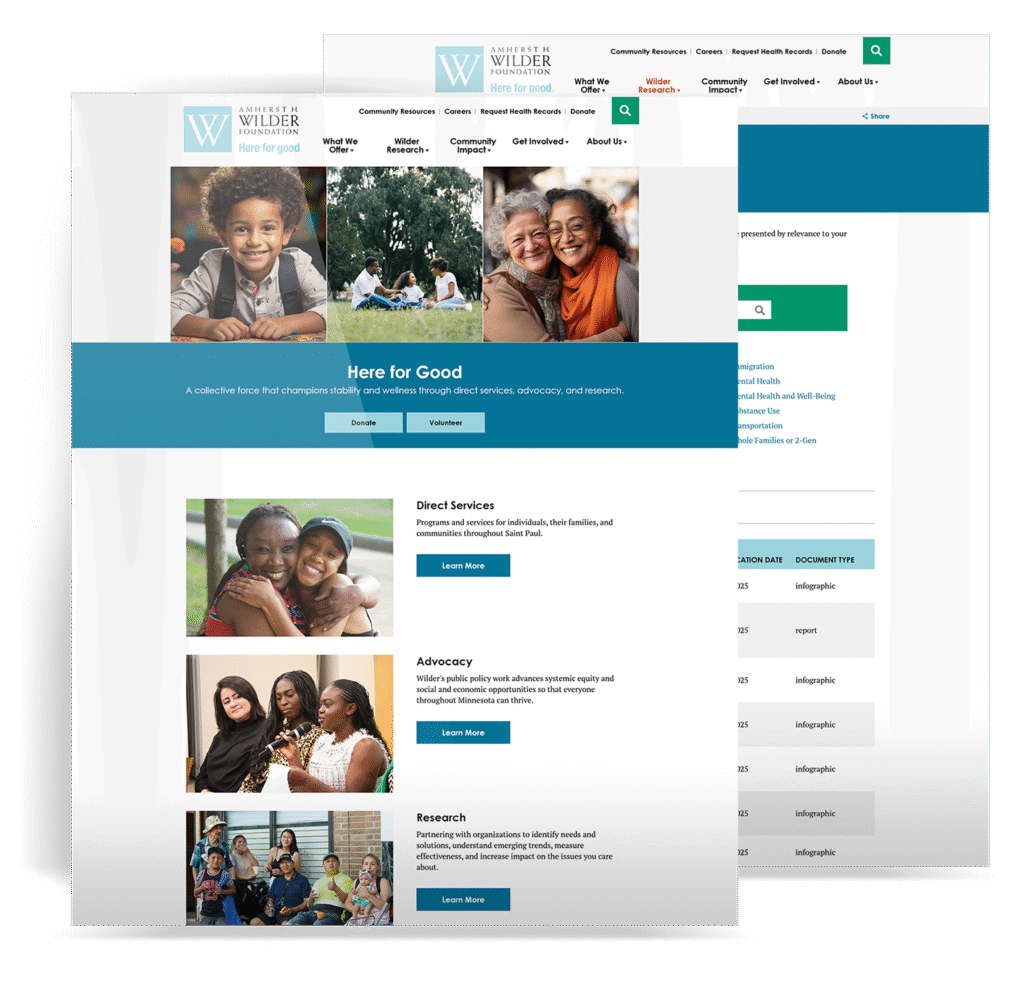
Wilder.org is the digital home of the Amherst H. Wilder Foundation. By the time we started, the site had grown into a huge Drupal build with thousands of pages, heavy menus, and long, dense content. Important things like services, research, and ways to give were buried under layers of navigation. On phones, pages loaded slowly and layouts did not hold up, which made it hard for people to find help or understand what Wilder does.

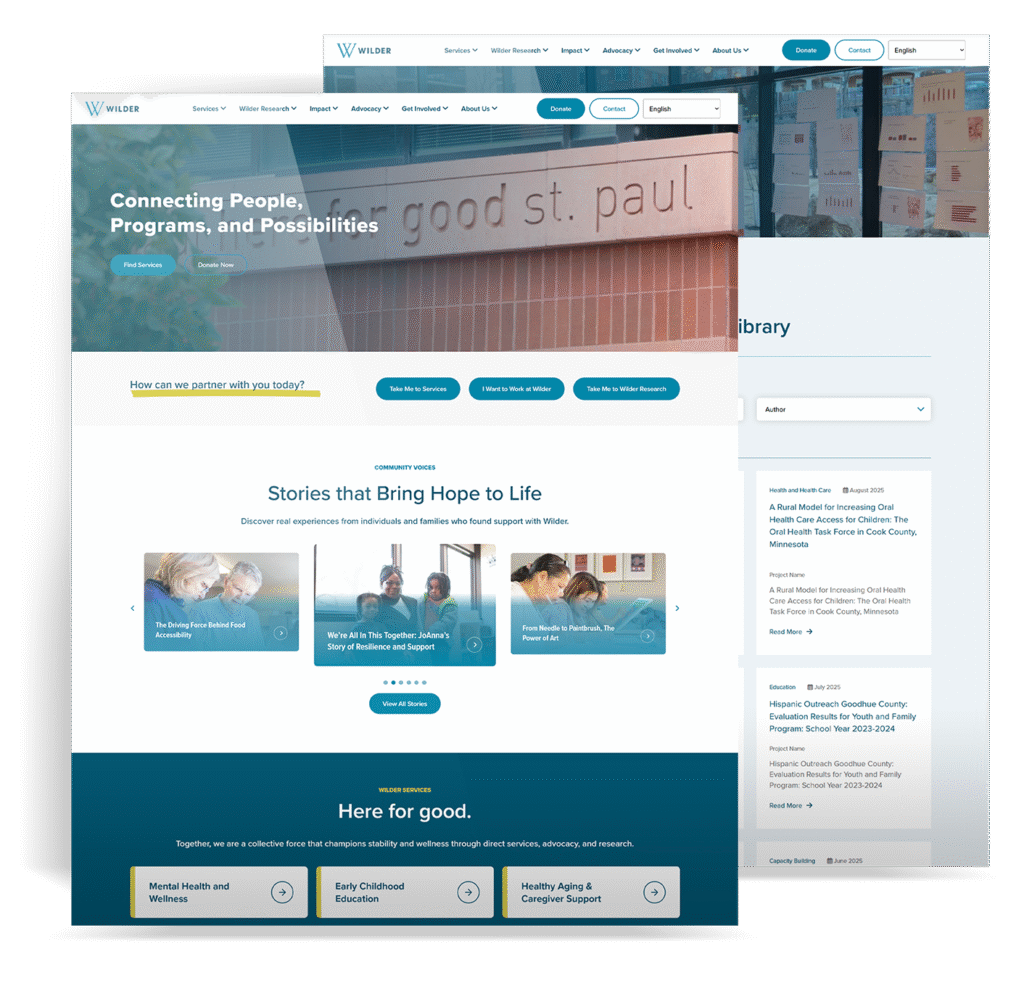
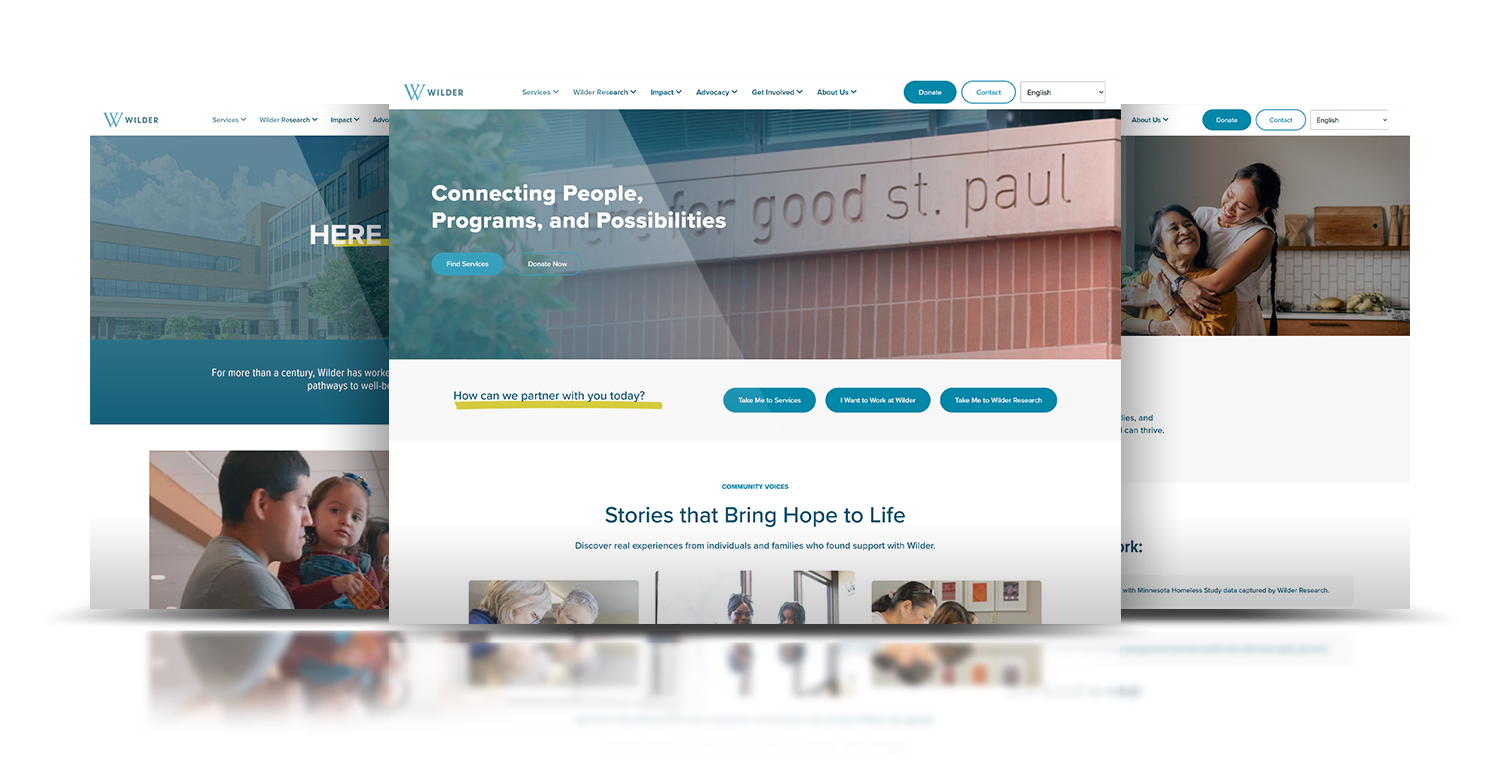
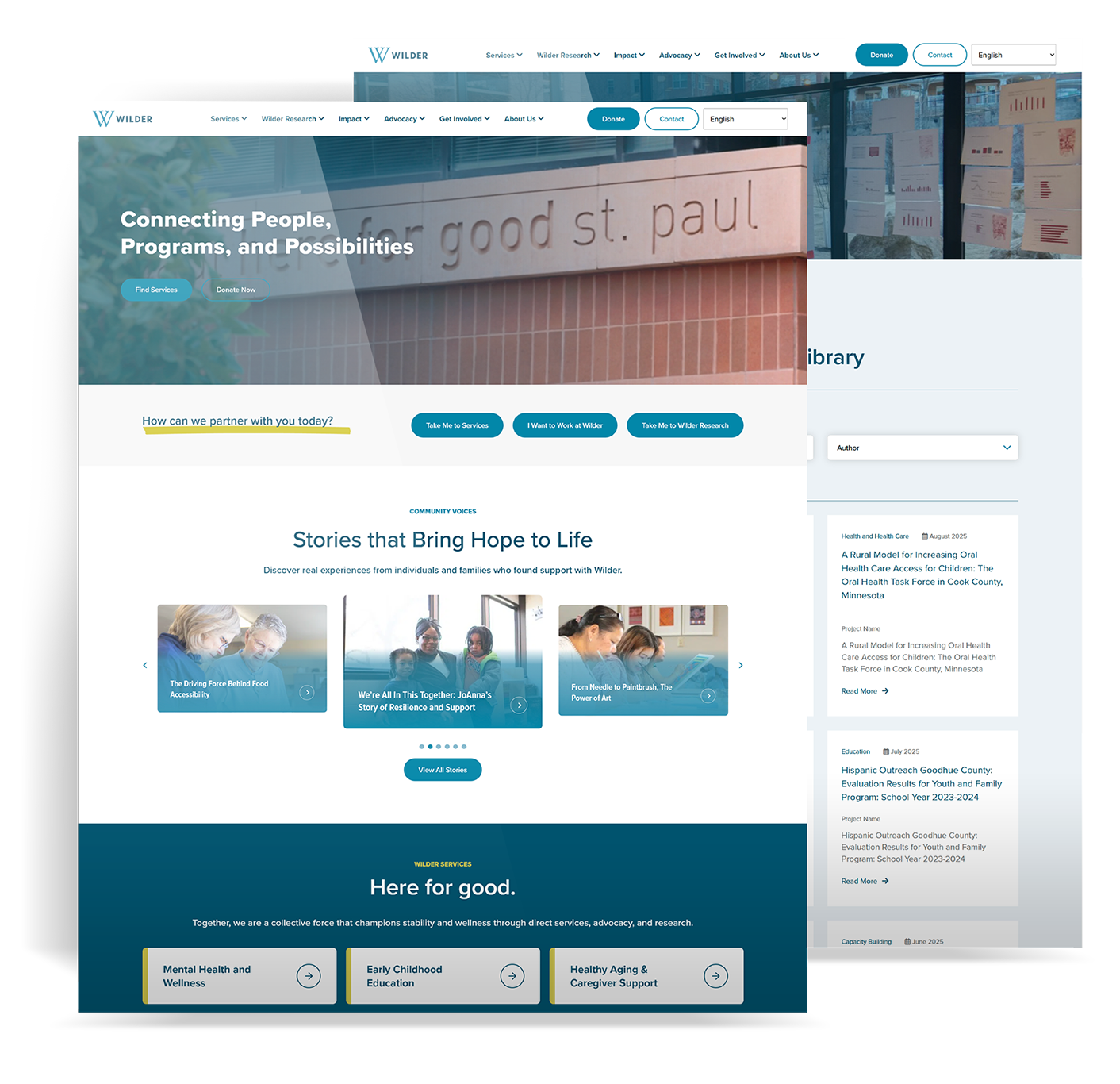
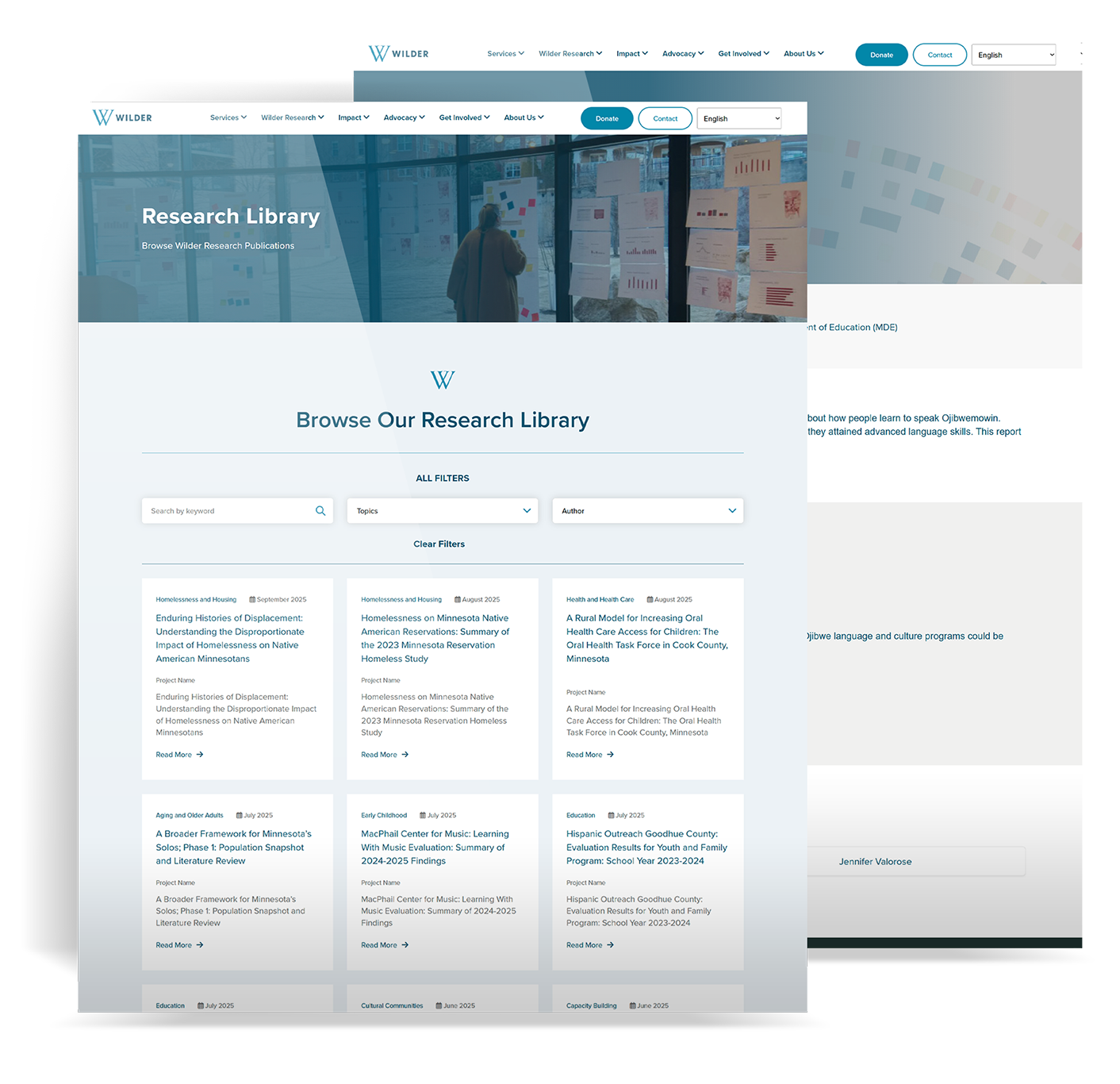
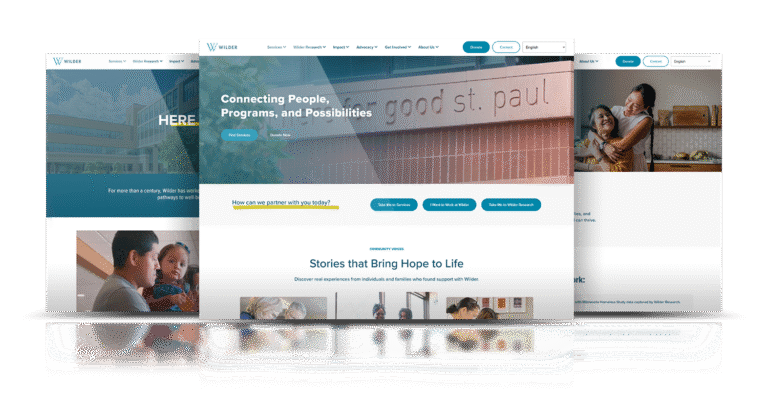
We treated the redesign as a reset, not a reskin. The aim was to turn a crowded, aging site into a clear, modern home for services, stories, and research. I worked with the team to restructure the content, move the site to WordPress, and add tools that make it easy for staff to keep things current. We also rebuilt the Research Library so visitors could search Wilder’s reports directly on the site instead of fighting a separate system. The new Wilder.org is easier to navigate, easier to update, and more welcoming for the communities it serves.

Visit Website

Project phase

The Challenge

The biggest challenge was scale. We had to move a very large site into a new structure without losing important content or breaking search. At the same time, the experience needed to feel much simpler for visitors. That meant:

Cleaning up a complex menu and page tree.

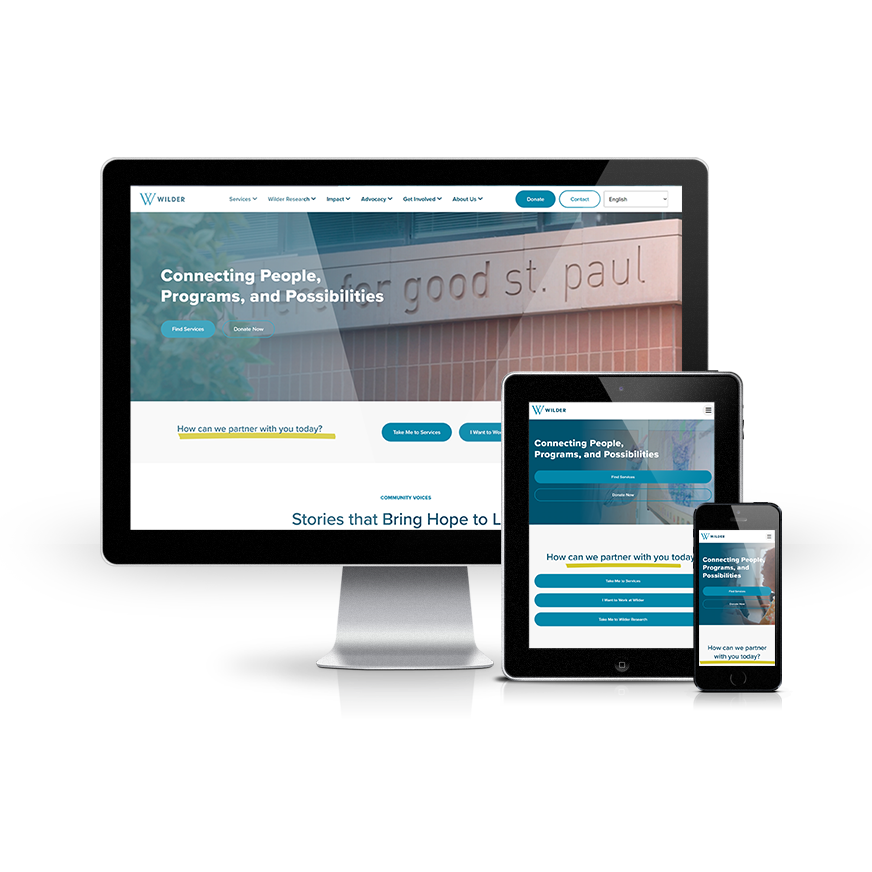
  • Making the site work well on phones and tablets.
  • Bringing core actions like finding services, reading research, and donating closer to the surface.
  • Connecting an external research database in a way that felt natural to use.

All of this had to land in a way that Wilder’s team could maintain on their own after launch.

My Role

I led UX, UI, and front‑end development from planning through launch.

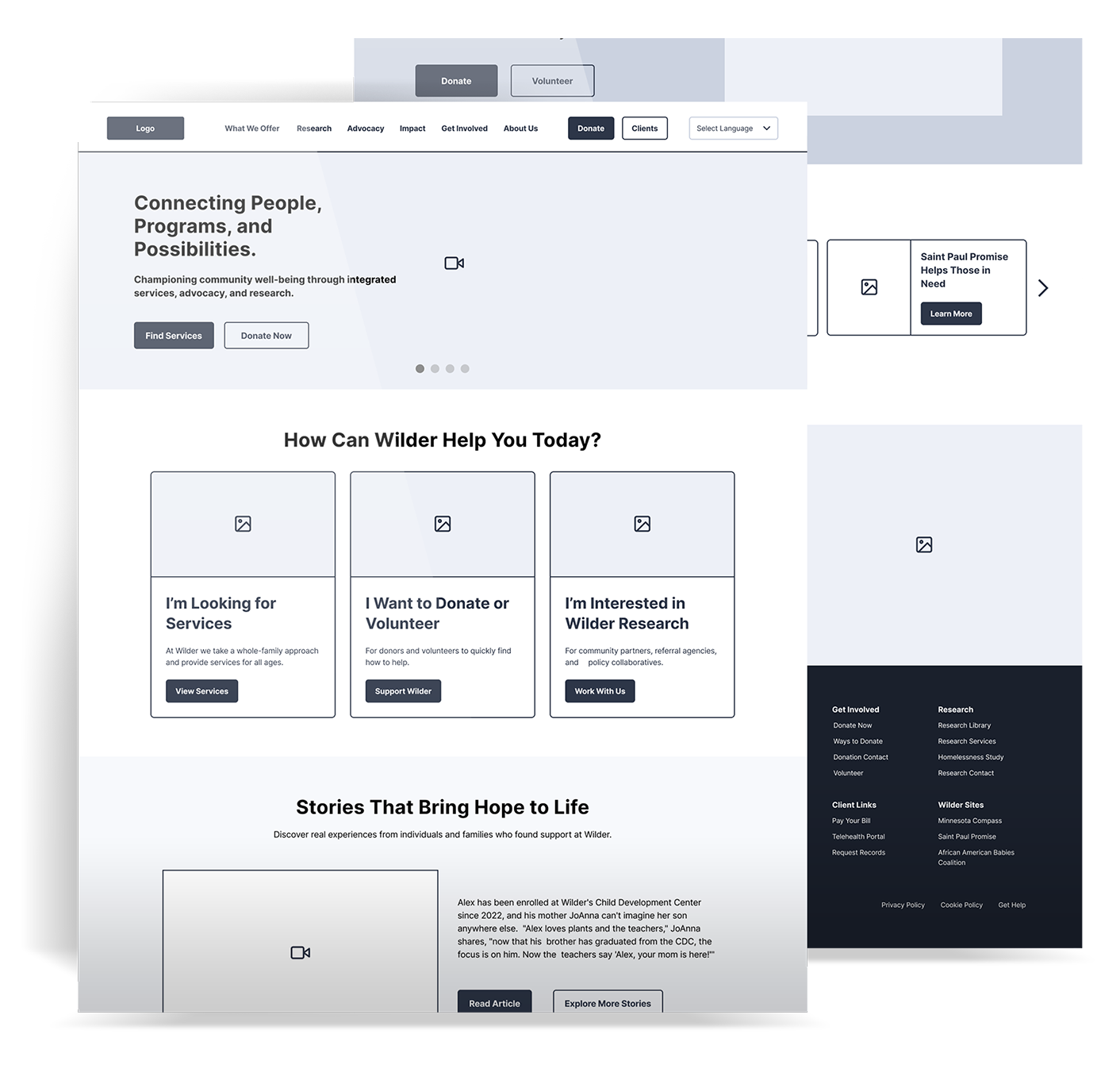
I started with stakeholder conversations, content audits, and analytics reviews to understand where people were getting stuck. From there, I mapped a new information architecture and built wireframes in Figma that centered on a few main paths: find services, explore programs, visit the Research Library, and support Wilder.

Once the structure was in a good place, I designed the interface and built a custom WordPress theme using HTML, CSS, and JavaScript, with Elementor and Advanced Custom Fields to give editors flexible, safe ways to manage content. I also planned and built the connection to Wilder’s Presto‑based Research Library, and set up the SEO and performance foundations.

Concept to Creation

Advanced Web Design Techniques

Creative Direction
CSS
Development
Graphic Design
HTML
Information Architecture
jQuery
Product Design
Prototyping
SEO (Search Engine Optimization)
User Experience
User Journey
UX/UI Design
Web Design
Wireframing (UX/UI)

Since launch, Wilder has seen clear growth in visits to core sections, more use of research tools, and more people reaching important forms and giving pages. The site does a better job of reflecting the scope of Wilder’s work and gives the organization a solid base to keep serving its community online.

Wireframes and User Interface

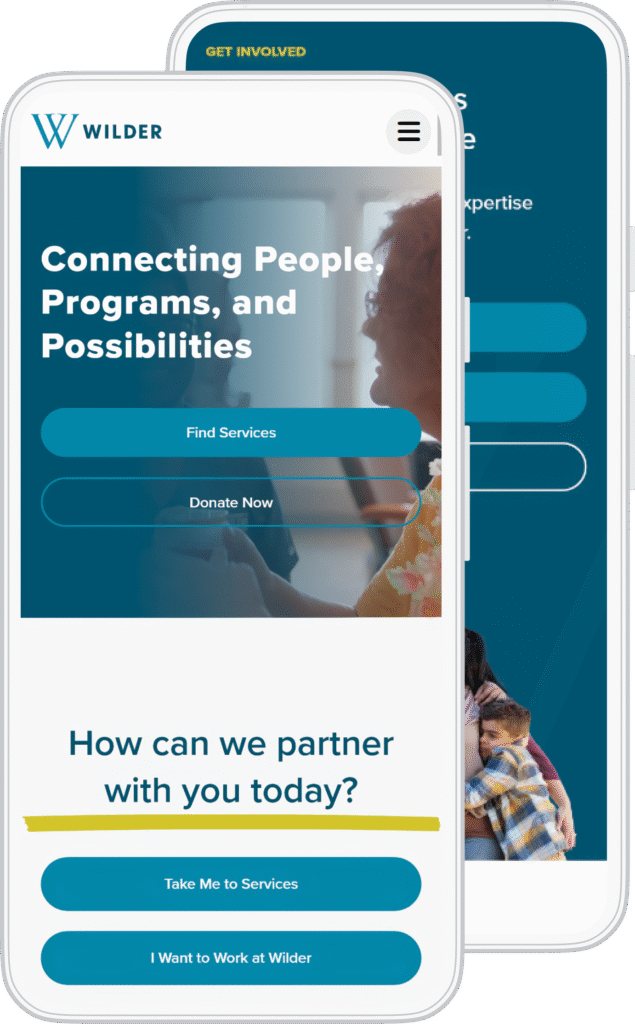
In wireframing, the focus was on reducing friction. The old menus tried to show everything at once. The new structure groups content into a handful of clear sections and uses consistent templates so people know what to expect as they move through the site. For each key task, finding services, visiting the Research Library, learning about giving – I designed short, direct flows. Mobile layouts came first, so on a phone you can see where to go and what to do without endless scrolling. Those wireframes became the blueprint for the final interface.

Design and Customization

Visually, Wilder.org needed to feel calm, trustworthy, and human. I applied Wilder’s colors, type, and imagery in a cleaner, more open layout. Large headings, clear body text, and strong contrast make content easier to read. Photography and graphics focus on people and community, not just buildings or charts. In Figma I defined reusable components – hero bands, content sections, calls to action, cards for services and reports, and then mirrored those as Elementor widgets and ACF field groups.

Development and Implementation

On the development side, I set up custom post types and taxonomies to match Wilder’s content model: services, programs, news, events, staff, and research. Content from Drupal was moved with a mix of import scripts and manual cleanup, then placed into the new templates. For the Research Library, I connected the site to the InMagic Presto API so it can pull live data. I built an AJAX search and filter interface that lets visitors search reports by keyword, topic, author, or date without reloading the page.

Outcome:

Since launch, Wilder has seen clear growth in visits to core sections, more use of research tools, and more people reaching important forms and giving pages. The site does a better job of reflecting the scope of Wilder’s work and gives the organization a solid base to keep serving its community online.

Visit Website

Related Projects: